What Makes a Pizza Restaurant Worth the Visit

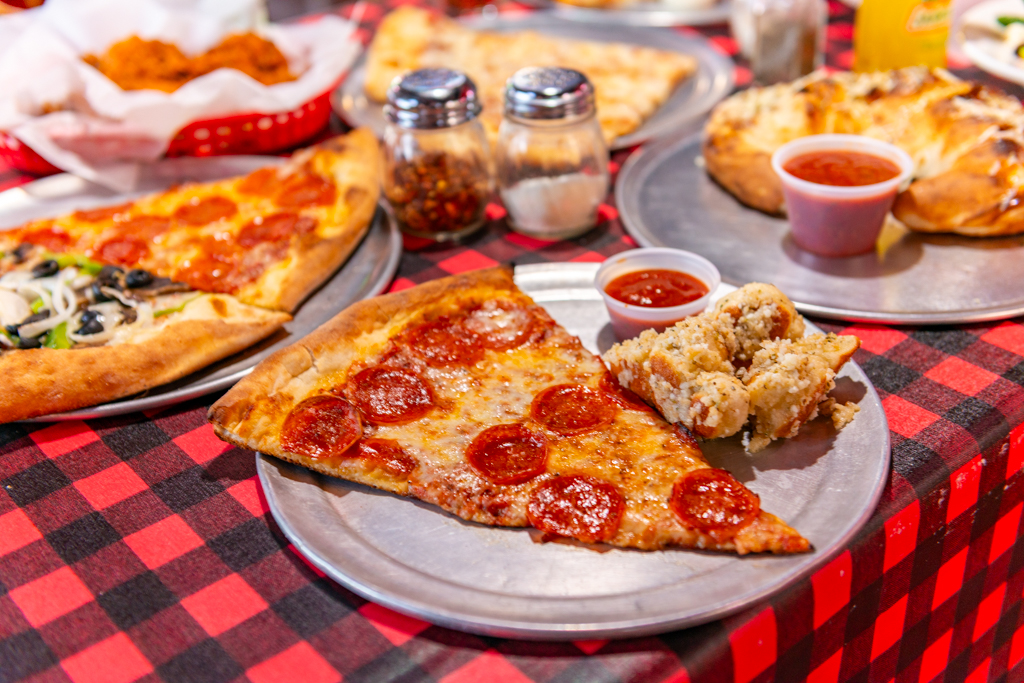
People do not return to a pizza restaurant just because it serves melted cheese on bread. They return because something about the place feels right, and that feeling usually comes from dozens of small decisions made well. The dough is handled with care. The oven is used by someone who understands timing, not just temperature. The room sounds lively without https://paxtonyrah182.pinehavenscope.com/posts/how-a-pizza-restaurant-can-impress-out-of-town-guests becoming exhausting. The staff notices when a table needs water before anyone has to ask twice.
That combination is harder to build than it looks. Pizza is familiar food, which makes customers more forgiving in one sense and more demanding in another. Most diners already know what good pizza tastes like to them. They may prefer a blistered Neapolitan crust, a crisp New York slice, a square pan pie with caramelized edges, or a sturdier tavern-style cut meant for sharing. A restaurant does not need to please every preference. It does need to know what it is, execute consistently, and create an experience that justifies leaving home.
The best places understand that a pizza restaurant is not judged only by the pie that lands on the table. It is judged from the moment someone decides where to go tonight. Parking matters. Reservations matter. Noise matters. So does the way a server describes the specials, the shape of the wine list, the speed of the kitchen on a Friday at 7:15, and whether the box for leftovers keeps the crust from steaming itself soft on the ride home.
It starts with a point of view
A restaurant worth visiting usually has a clear identity. That does not mean it needs a gimmick, a wood-fired slogan, or a dramatic origin story printed on the menu. It means the owners and kitchen have made real decisions about style, ingredients, pacing, and atmosphere, then aligned the operation around those choices.
You can feel the difference almost immediately. At a strong neighborhood pizza restaurant, the menu reads like it belongs to one mind. If the dough is fermented for two days and baked hot for a light, airy rim, the toppings tend to respect that structure. You are less likely to see overloaded combinations that collapse the center and turn every slice into a balancing act. If the house style is a crisp bar pie, the kitchen understands how restraint helps texture. Cheese coverage, sauce quantity, and bake time all support the final bite.
Places without that point of view often look fine on paper but feel scattered in person. They may offer six regional styles, forty toppings, pasta, burgers, seafood, and dessert nachos, all from one line. That kind of menu can succeed, especially in family-driven operations serving broad local demand, but it is difficult to keep standards high across so many categories. Breaded appetizers can hide kitchen weakness for a while. Pizza cannot. Every shortcut shows up in the crust.
A focused pizza restaurant does not need to be narrow. It just needs internal logic. The style of pie, the oven setup, the topping combinations, even the beer selection should make sense together.
Dough tells you almost everything
If you want to judge whether a pizza restaurant is serious, start with the dough. Sauce and toppings create first impressions, but dough reveals discipline. It reflects time management, ingredient quality, training, and whether the team is making decisions for flavor or convenience.
Good dough has life in it. That can mean chew, crackle, tenderness, structure, or a mix of all four, depending on the style. What matters is that the crust tastes like more than a neutral platform. Flour, water, salt, yeast, fermentation time, and handling should produce character. Even a simple cheese pizza should be satisfying because the base is satisfying.
In practical terms, several things tend to separate average crust from memorable crust. Fermentation is one. A dough that has rested properly develops flavor and often bakes more evenly. Overworked dough can fight back in the shaping stage, then eat dense. Underproofed dough may look acceptable but taste flat. Excess bench flour can leave the underside bitter. Too much sugar or oil can mask deeper imbalance. None of these issues are mysterious if you have spent time in kitchens. They are usually signs of a restaurant rushing volume ahead of craft.
Heat management matters just as much. The oven may be wood-fired, gas, electric deck, or conveyor. There is nothing inherently noble about one type over another if the kitchen knows how to use it. A poorly run wood oven can produce scorched tops and raw centers. A well-calibrated deck oven can turn out beautiful, consistent pies all night. Worth-the-visit places do not lean on oven mythology. They lean on results.
One quick test is the last two bites of the slice. If the crust remains appealing after the initial hit of cheese and topping excitement fades, the restaurant has probably done its work well.
Toppings should support, not smother
There is a common mistake in pizza culture, the idea that generosity means piling on as much as physically possible. That approach can feel satisfying for a minute, especially if the customer is thinking in terms of value per square inch, but excess often weakens the pizza it is meant to improve.
The best toppings are selected with proportion in mind. A pizza restaurant worth visiting understands moisture, fat, salt, and cook time. Fresh mozzarella behaves differently from low-moisture mozzarella. Pepperoni that cups and crisps changes how grease distributes across the pie. Mushrooms can release water if not treated properly. Sausage can carry fennel, heat, sweetness, or a coarse grind, and each of those choices affects balance. Even basil matters. Added before the bake, it can blacken. Added after, it perfumes the pie but brings no cooked integration.
Great topping combinations often look obvious only because somebody did the harder work of editing them. A white pizza with lemon, ricotta, and roasted garlic can be excellent if the garlic is sweet rather than harsh, if the ricotta is dotted rather than plastered on, and if the acid from the lemon arrives as a clean lift instead of a squeeze-bottle stunt. A classic red pie with anchovy can taste elegant when the sauce is not too sweet and the cheese is used with restraint.
This is where many standout restaurants distinguish themselves. They are not merely assembling ingredients customers already like. They are arranging those ingredients so the final pie has rhythm. You get richness, then brightness. Crunch, then softness. Salt, then fermentation. Every slice has contrast.
Consistency is the real test of quality
One excellent pizza on a quiet Tuesday does not make a restaurant worth the visit. Plenty of places can shine when the room is half full and the best cook is on the line. The real test comes under pressure, when the dining room is packed, takeout tickets are flying, and a delivery app tablet keeps chirping in the corner.
A serious pizza restaurant protects consistency even during the rush. That usually requires systems that guests never see. Dough balls are tracked carefully. Stations are stocked so cooks are not improvising under stress. Oven positions are rotated with purpose. Pickup times are quoted honestly instead of optimistically. The front of house knows when to slow new seating because the kitchen is hitting its edge.
Customers notice the results even if they do not know the mechanics. Their second visit tastes like the first. Their takeout pie arrives close to what they remember from dining in. Their table does not wait thirty minutes for a second round because no one communicated with the bar. The place feels practiced rather than frantic.
Some of the most beloved pizza restaurants are not fancy at all. They may have worn booths, bright overhead lighting, and a parking lot that always seems too small. What keeps them busy for years is consistency. The same crisp edge, the same sauce balance, the same reliable welcome. Diners trust them. That trust is one of the hardest things in hospitality to earn, and one of the easiest to lose.
Service shapes the meal more than many owners admit
Pizza can survive mediocre service better than some cuisines because it carries emotional goodwill. It is a social food. People come in groups. They arrive hungry but usually relaxed. Even so, bad service can flatten the entire experience.
Worth-the-visit restaurants understand that service does not mean theatrical friendliness. It means competence with warmth. Guests should be greeted promptly. Wait times should be accurate. Water glasses should not remain empty through half the meal. Servers should know enough about the menu to steer different appetites toward the right pie, especially when sizes vary more than expected.
That last point matters more than it sounds. Many pizza restaurants lose customer confidence simply because the ordering guidance is weak. A 12-inch pie can feed one hungry person or two light eaters depending on style and side dishes. A square pie might look small but satisfy four people. Some toppings carry heat that menus understate. Some specialty pies run rich enough that a salad makes the whole meal better. Good staff helps guests avoid ordering mistakes that sour the visit.
Here are a few service signals that tend to matter disproportionately:
- Honest wait quotes, especially on peak nights.
- Staff who know the difference between signature pies and crowd-pleasers.
- Smooth handling of substitutions and dietary questions.
- Tables paced so appetizers, pizzas, and drinks arrive in a sensible flow.
- A clear recovery effort when the kitchen misses something.
That last detail separates good operators from careless ones. Mistakes happen in every restaurant. A pizza is burned, a topping is forgotten, an order is sent to the wrong table. What customers remember is not perfection. They remember whether the staff took ownership quickly and fixed the problem without defensiveness.
The room has to earn your time
Many people underestimate how much atmosphere affects the way a pizza tastes. Not chemically, of course, but experientially. A restaurant can serve excellent food and still feel like a chore if the room works against the meal.
Lighting is part of it. Bright enough to read the menu is sensible. Harsh enough to feel like a waiting room is not. Acoustics matter even more. Pizza restaurants are often noisy by nature, with open kitchens, hard floors, families, and groups sharing large tables. Lively is welcome. Deafening is exhausting. If you cannot hear the person across from you without leaning in all night, the restaurant has narrowed its own audience, especially for older guests or anyone using the meal for conversation.
Cleanliness also carries more weight in pizza than some operators realize. Flour dust can look charming near the make line. Greasy fingerprints on the front door, sticky menus, and restrooms that seem forgotten do not. They suggest sloppiness, and once that impression takes hold, diners start projecting it onto the kitchen.
Layout plays a role too. A packed dining room can feel energetic if traffic flows well and tables have enough breathing room. The same square footage can feel chaotic if servers are constantly pivoting sideways around chairs or if the pickup counter blocks people waiting for takeout. Good design is not about luxury. It is about reducing friction.
A menu should invite decisions, not create fatigue
There is a sweet spot between too little choice and too much. A pizza restaurant worth the visit usually lands there by understanding how people order in real life. One person wants a dependable margherita. Another wants a spicy meat option. A family may need something familiar for children and something more adventurous for adults. A vegetarian in the group does not want to feel like an afterthought. The menu should accommodate those needs without reading like a phone book.
This is where editing becomes a business skill, not just a culinary one. Every extra topping, salad, starter, and dessert adds complexity to purchasing, prep, training, storage, and execution. If an item does not earn its place, it weakens the whole operation.
The best menus often have a few traits in common:
- House specialties that show personality
- Enough build-your-own flexibility to satisfy regulars
- A small number of starters and sides that complement pizza well
- Drinks chosen to match the food, not just fill space
- Desserts simple enough to finish the meal without slowing the kitchen
Even here, trade-offs exist. A tightly curated menu can feel confident, but it may also limit larger groups with mixed preferences. A broader menu can increase appeal, but only if the kitchen can maintain standards. There is no single correct formula. What matters is whether the restaurant has chosen its balance deliberately.
Value is not the same as low price
People often describe a good pizza restaurant as a great value, but value has less to do with being cheap than with feeling fair. A twelve-dollar pie that disappoints is poor value. A twenty-six-dollar pie that uses excellent ingredients, feeds two comfortably, and leaves you planning a return visit may be strong value.
Customers evaluate price in context. They look at portion size, ingredient quality, service level, and how the meal compares with alternatives nearby. A neighborhood shop can charge modestly and still feel overpriced if the crust is lifeless and the toppings taste generic. A more polished place can charge more if the details are noticeably better.
This is especially true with appetizers, drinks, and add-ons. Many diners will forgive a higher pizza price more easily than they will forgive paying restaurant cocktail prices for a mediocre pour or seeing a basic topping surcharge that feels inflated. Owners sometimes focus so closely on food cost percentages that they forget how transparently customers read a check.
Worth-the-visit restaurants do not need to be bargains. They need to leave people feeling that the exchange made sense.
The small operational details people remember
Some aspects of a pizza restaurant are easy to miss during a first visit, yet they influence whether guests become regulars. One is timing. Pizza is not forgiving when it sits too long before reaching the table. Cheese tightens, crust steams, aromas dull. Restaurants that handle the handoff well preserve quality. Restaurants that let pies die in the window erase half their own effort.
Another detail is slicing. It sounds trivial until you have tried sharing an expensive pie cut unevenly enough that one person gets a narrow strip and another gets a slab. Boxing matters too. Ventilation holes, sturdy structure, and sensible stacking can make the difference between takeout that travels well and takeout that arrives limp.
Condiments tell a story. Fresh chili oil, properly grated cheese, and oregano that still smells alive suggest a place paying attention. Dusty shaker jars and packets tossed in a bin suggest the opposite. So do beverages. If a pizza restaurant serves beer, the taps should be clean and the selection should have some logic. If it serves wine, a short list that pairs well with tomato acidity and cheese richness is better than a long one assembled without thought.
Then there is the question of pace. Guests may forgive a moderate wait for a carefully made pizza, especially on a busy night, if the restaurant communicates clearly and keeps things moving sensibly around that wait. They are much less forgiving when they feel forgotten. Hospitality often comes down to expectation management.
Great pizza restaurants know their community
The places that endure usually understand where they sit in the local dining landscape. A suburban family spot should not copy the behavior of a downtown date-night pizzeria unless the market really supports it. A slice shop near offices needs speed at lunch. A destination pizza restaurant in a smaller town may need enough warmth and reliability to justify a twenty-minute drive.
Community fit shows up in subtle ways. It may mean offering half-and-half options because local families ask for them constantly. It may mean maintaining a dependable gluten-free crust even if it is not the house specialty. It may mean staying open later than competitors because post-event traffic matters. None of that is glamorous. All of it can determine whether the restaurant becomes part of people’s routines.
Some of the most successful operators I have seen were not obsessed with trends. They paid attention to their guests. They knew which pie sold best before school concerts, which salads office groups ordered for lunch, and which weekends required extra dough because a youth tournament filled the area. That kind of awareness rarely appears in glossy write-ups, but it is often what makes a restaurant truly worth visiting more than once.
Why certain places stay in your rotation
When people talk about their favorite pizza restaurant, they usually mention one or two signature qualities first. The crust has a perfect char. The vodka sauce pie is better than anywhere else. The staff remembers their names. The patio works year-round with heaters. Yet if you listen longer, you hear something more layered. They trust the place. They know what kind of night it can deliver.
That may be a quick weeknight dinner with children, where the food arrives fast and everyone leaves happy. It may be a casual date where the wine is decent, the lighting is soft enough, and sharing a pie feels more comfortable than committing to a full formal meal. It may be a standing Friday pickup ritual because the restaurant has never once sent out a soggy pizza.
A pizza restaurant becomes worth the visit when it turns competence into reliability and reliability into affection. The food matters most, but it does not act alone. The room, the service, the menu, the pace, the value, and the sense of identity all meet at the table.
That is why the memorable places are rarely accidental. They are built by people who understand that pizza, simple as it appears, leaves nowhere to hide. Every choice is exposed. When those choices are thoughtful and consistently executed, diners notice. They come back, they bring friends, and over time the restaurant becomes more than somewhere to eat. It becomes one of the places that defines eating out in a neighborhood, the kind of place people recommend without hesitation because they know the visit itself will be part of the pleasure.